Greater Des Moines Real Estate: Mid-2026 Market Snapshot
Residential demand stays strong in suburban corridors while downtown office continues to rebalance. What the latest data means for property owners across Polk, Dallas, Warren, and Jasper counties.
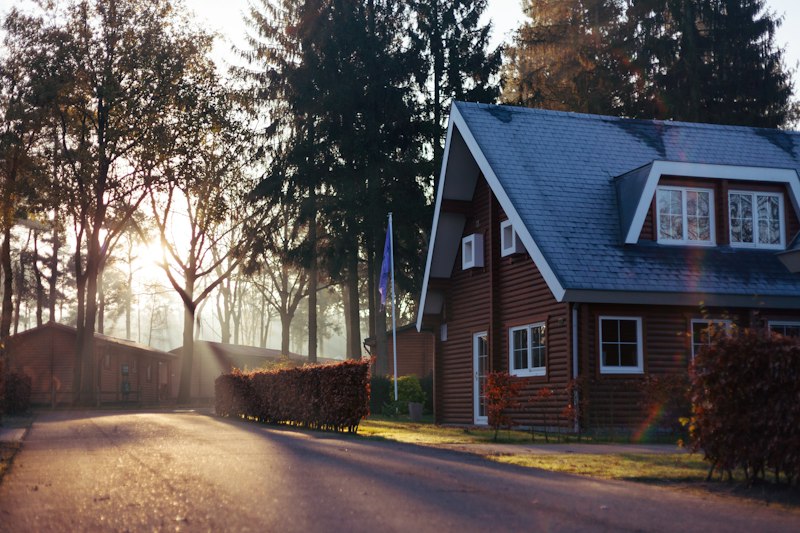
Greater Des Moines Real Estate Mid-2026 Update
Residential Market: Suburban Strength Continues
The residential market across the Des Moines metro remains one of the most resilient in the Midwest. Key trends as of mid-2026:
Ankeny: Continues to lead the metro in new construction activity and population growth. Median sale prices have held above $325,000 despite higher mortgage rates. Days on market remain low at 18–22 days for move-in-ready homes.
West Des Moines / Waukee: The affluent western suburbs show stable demand with median prices in the $380,000–$450,000 range. The Jordan Creek corridor continues to attract buyers seeking walkability and retail access.
Urbandale & Windsor Heights: Mid-tier suburban properties showing strong absorption. The $250,000–$320,000 price band is highly competitive with multiple-offer situations still common.
Des Moines Proper: Neighborhood-by-neighborhood divergence is widening. East Village, Beaverdale, and Drake neighborhoods continue to outperform, while some southern and eastern corridors show softer demand.
Commercial: The Office Reckoning Continues
The story in commercial real estate remains the office vacancy overhang:
- Downtown Des Moines Class A/B vacancy: Estimated 28–34% across major corridors including Court Avenue, Grand Avenue, and the Financial District
- Suburban office (West Des Moines, Urbandale): 18–24% vacancy, better than downtown but still significantly above pre-pandemic norms
- Industrial & Flex: Bright spots. Logistics and distribution demand near I-80/I-35 corridors remains healthy. Vacancy under 5% in key submarkets.
- Retail: Strip centers anchored by grocery or medical continue to perform. Unanchored inline retail remains challenged.
What This Means for Your Property Taxes
Residential owners in hot suburban markets should check whether their assessments are keeping pace with actual prices paid — or running ahead of them. In a cooling market, assessments based on 2024 peak comps may now be overstated.
Commercial owners — particularly office — have a compelling case that the income their properties can support has dropped materially since their last assessed value was set.
The 2026 assessment cycle is underway. If you haven't reviewed your assessment notice, now is the time.
Ready to fight your denial?
AppealIQ AI builds your appeal letter automatically — free to start, no attorney required.
Build My Appeal Letter